In an era where technology helps us drive smarter and more efficiently, today we dive into the world of the virtual odometer. In this blog, we explain how this GPS-based counter works, why it can differ from the counter in your dashboard and why it is wise to compare the two regularly.
What is a virtual odometer?
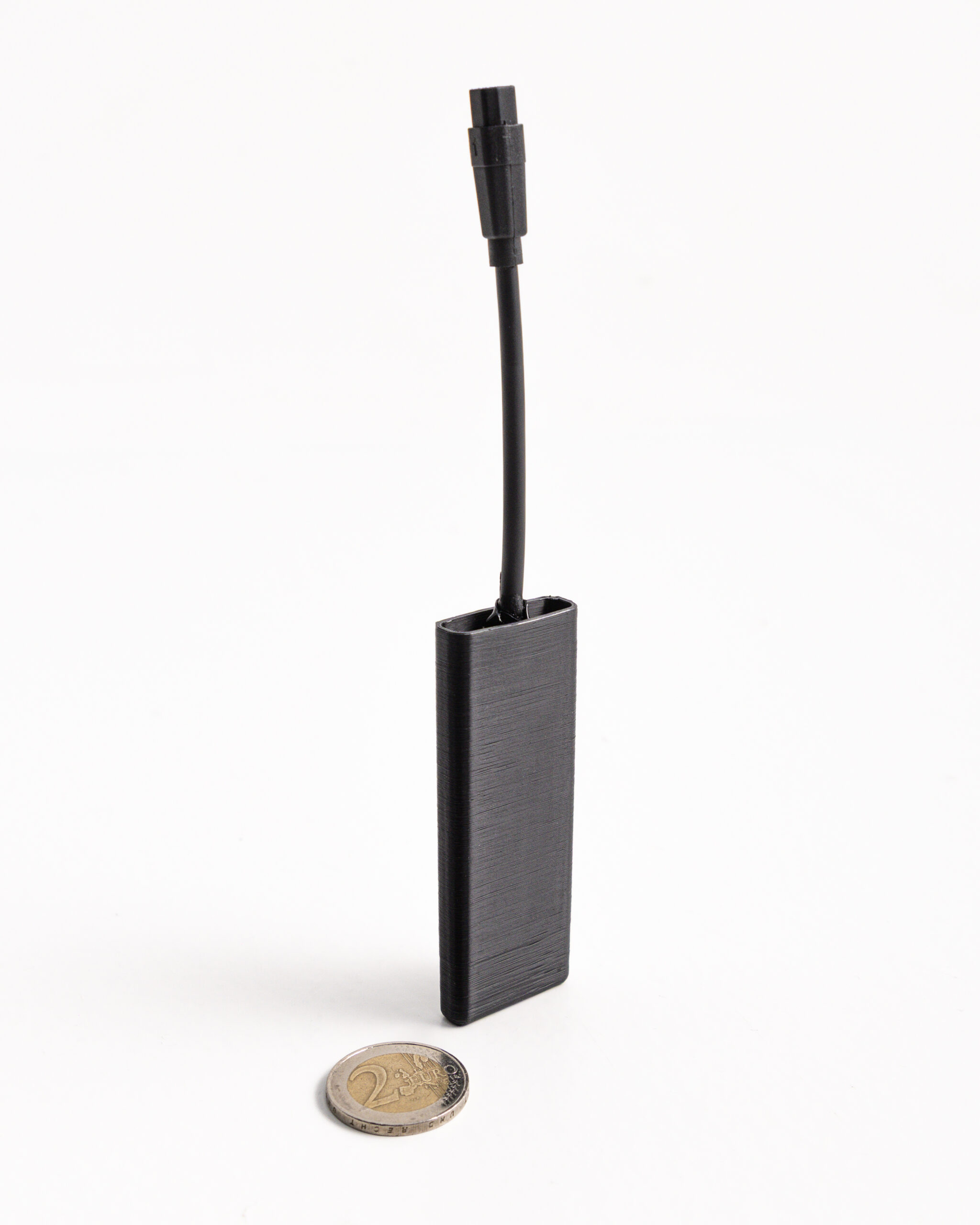
A virtual odometer uses GPS technology to record how many miles you’ve driven. Instead of being physically connected to the vehicle, this counter registers movement based on location data. Ideal for trip tracking, cost analysis or shared fleet management.
Why is there sometimes an abnormality?
Although GPS is quite accurate, differences can still occur due to:
- Poor reception in tunnels or car parks
- Small measurement errors in sharp bends or height differences
- Inaccurate start or stop time of trips
- Software updates or weather conditions
These factors can lead to a deviation of a few hundred meters to even kilometers per month.
But how reliable is the odometer in the car itself?
The classic odometer is not always exact either. What can have an influence:
- Tire diameter: other or worn tires change the circumference of the wheel
- Calibration: Manufacturers build in margins for speedometers, which affects the odometer
- Technical wear and tear: older cars or faulty sensors can cause measurement errors
In short: no system is flawless – virtual or mechanical.
Why is the odometer in your dashboard still used for deviations?
Although both the virtual odometer (via GPS) and the classic odometer (in your car) can have small deviations, in the event of differences, the odometer of the car is usually considered leading.
The car’s odometer is seen as the primary reference point, because it is legally leading, measures stably and is more difficult to influence than GPS data. That is why it is wise to check your virtual counter regularly and as necessary.
This way you prevent deviations and preserve reliable data for:
- Tax mileage administration
- Maintenance planning
- Transparency for leasing companies or buyers
To recap
Technology makes a lot possible, but it also requires control. By regularly comparing virtual and physical mileage and, if necessary, synchronizing the virtual odometer with the vehicle’s actual mileage, your trip registration remains reliable and professional.